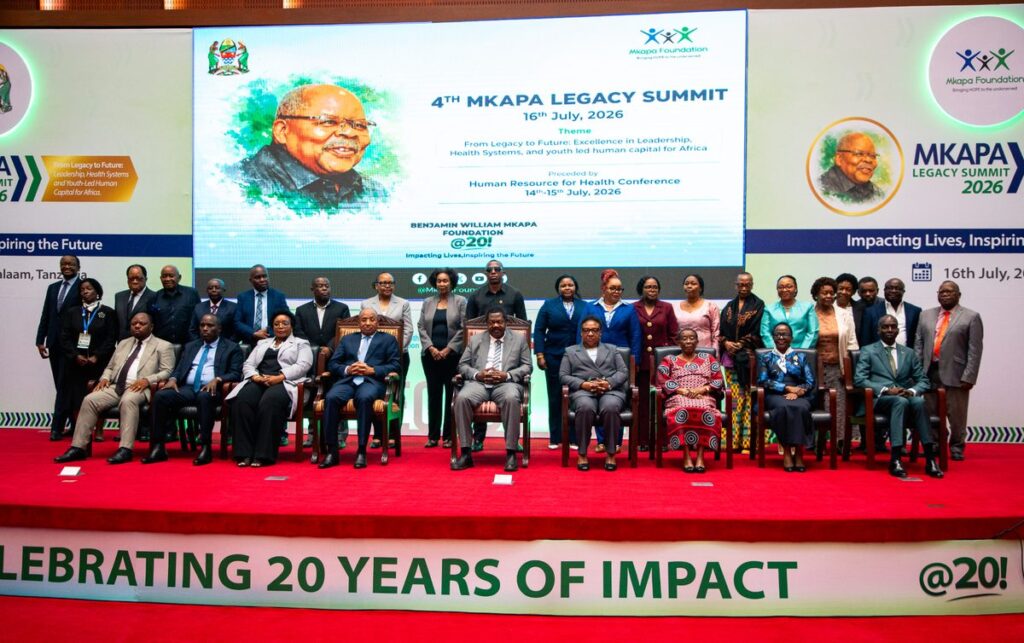
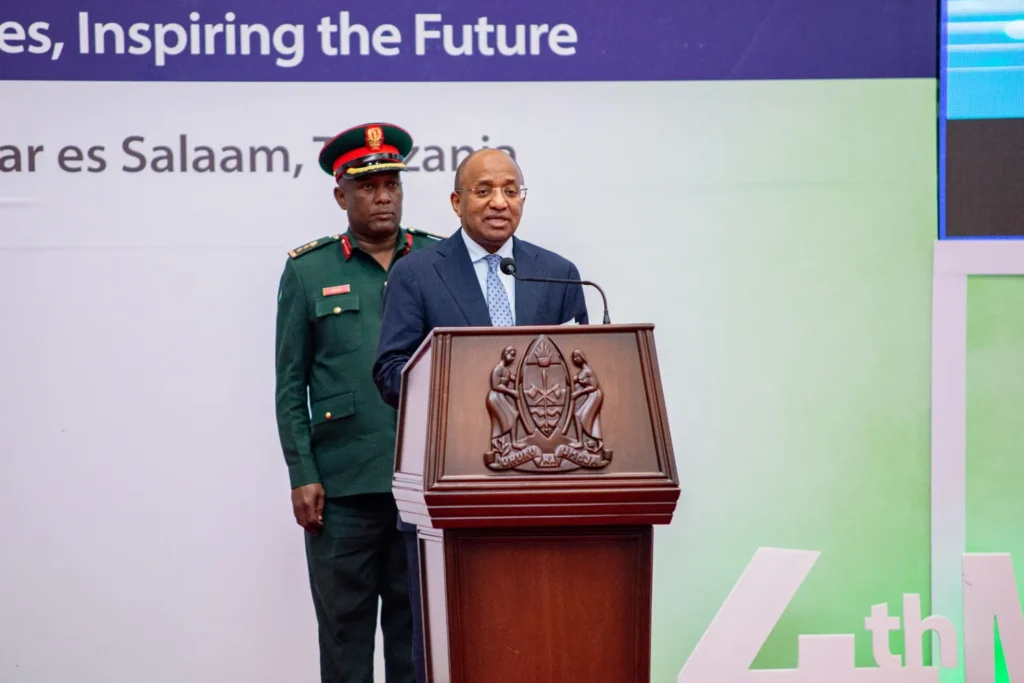
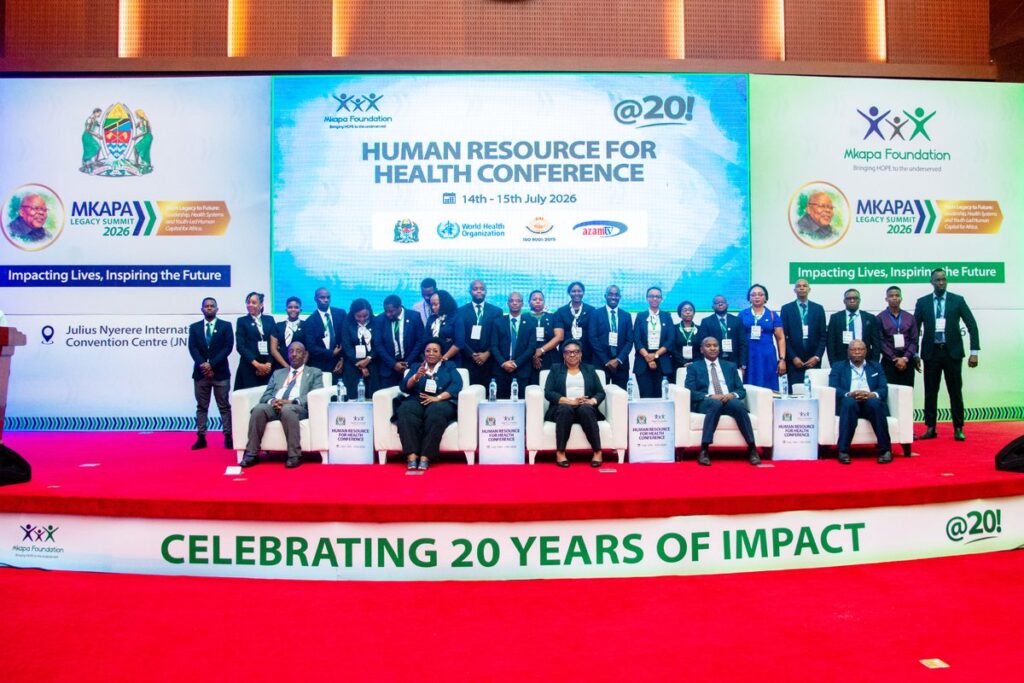
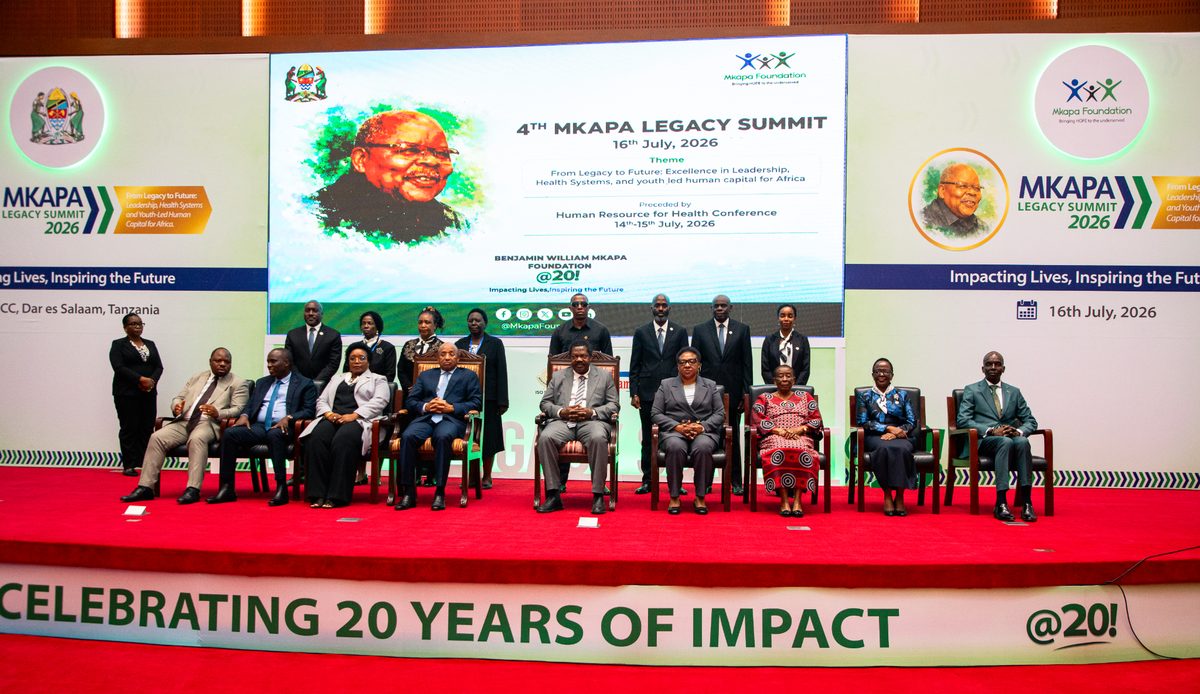
4th Mkapa Legacy Summit, preceded by the Human Resources for Health Conference 2026.
The conversation on Africa’s health systems began with a question that is becoming harder to ignore: How do we build a health workforce that can meet the needs of a changing continent?
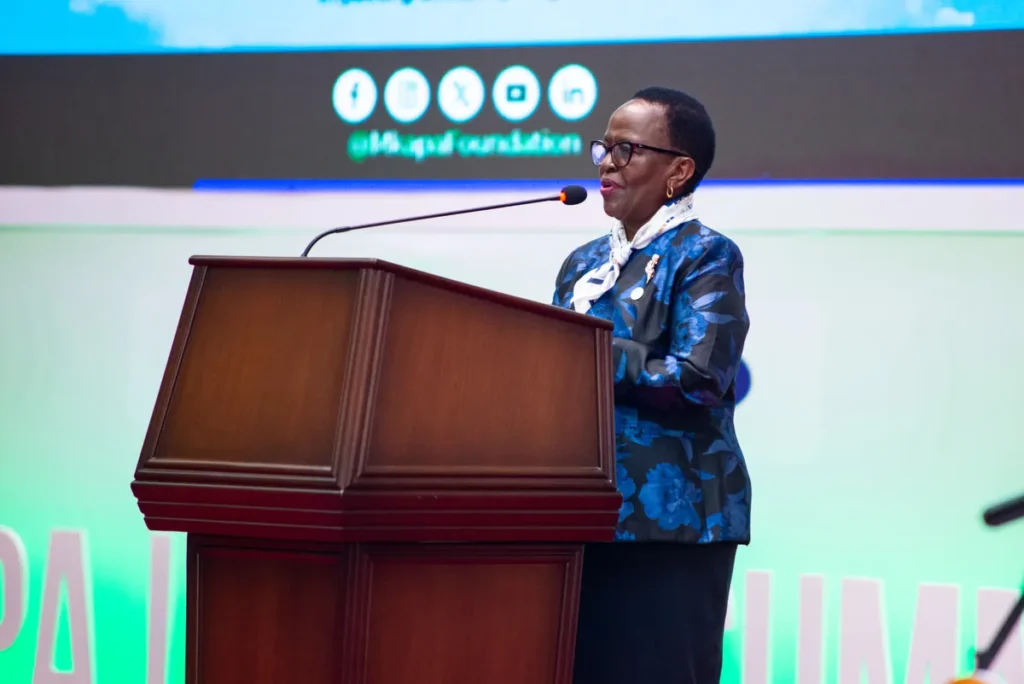
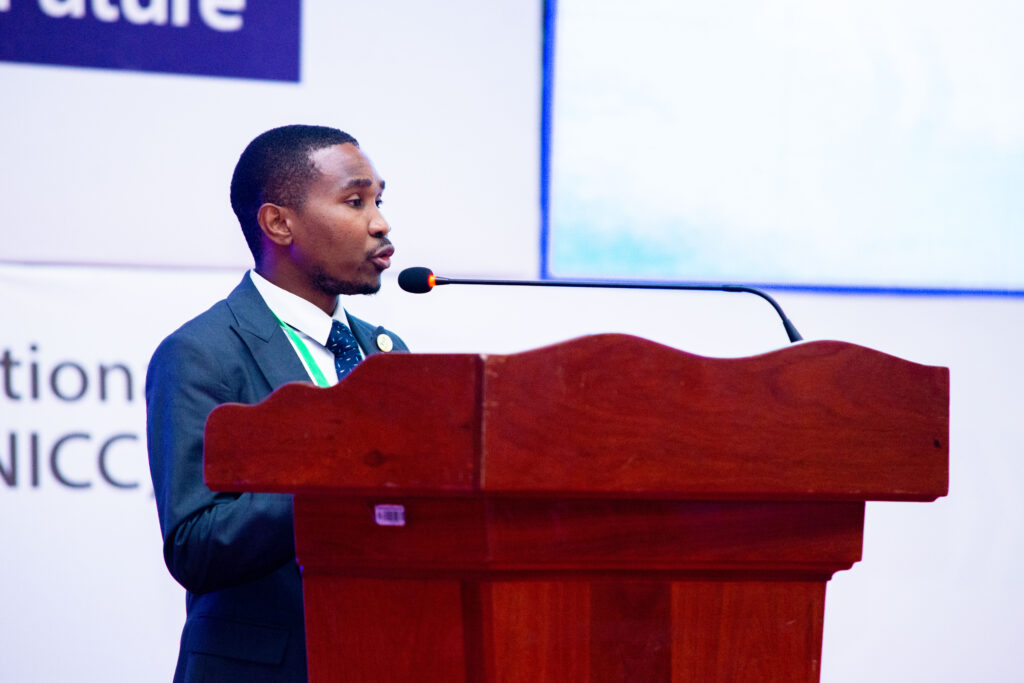
That question took centre stage at the Human Resources for Health (HRH) Conference ahead of the 4th Mkapa Legacy Summit in Dar es Salaam.
Held under the theme, “Reimagining Africa’s Health Workforce: Innovation, Leadership & Resilience,” the two-day conference brought together health leaders, policymakers, researchers, development partners, practitioners and young people to share experiences and explore practical ways of strengthening Africa’s health workforce. Rather than treating the health workforce challenge as simply a question of numbers, discussions at the conference looked at the wider issues that determine whether health systems can attract, retain, support and make the best use of their people. From health workforce planning and financing to leadership, digital innovation and workforce resilience, participants shared lessons from different settings and discussed what it will take to move from policy commitments to solutions that work on the ground. Bringing different voices to the same table
One of the strengths of the conference was the diversity of voices in the room. Policymakers sat alongside frontline practitioners, researchers, development partners and young professionals, creating space for experiences from different parts of the health system to meet.
For young participants in particular, the conference provided an opportunity to contribute to discussions about a workforce and health system that they will help lead in the years ahead. Their participation reflected a growing recognition that young people should not only be invited to conversations about the future. They should have a voice in shaping it.
The discussions also highlighted the importance of collaboration. No single institution can address Africa’s health workforce challenges alone. Sustainable progress will require governments, development partners, academic institutions, civil society, the private sector and communities to work from a shared understanding of the challenges and opportunities.