

In a continued effort to strengthen Tanzania’s community health system, in collaboration with the Ministry of Health and the President’s Office, Regional Administration and Local Government (PO-RALG), we conducted a comprehensive joint supervision exercise across ten regions: Lindi, Mtwara, Ruvuma, Tabora, Kigoma, Mbeya, Iringa, Njombe, Geita, and Kagera.
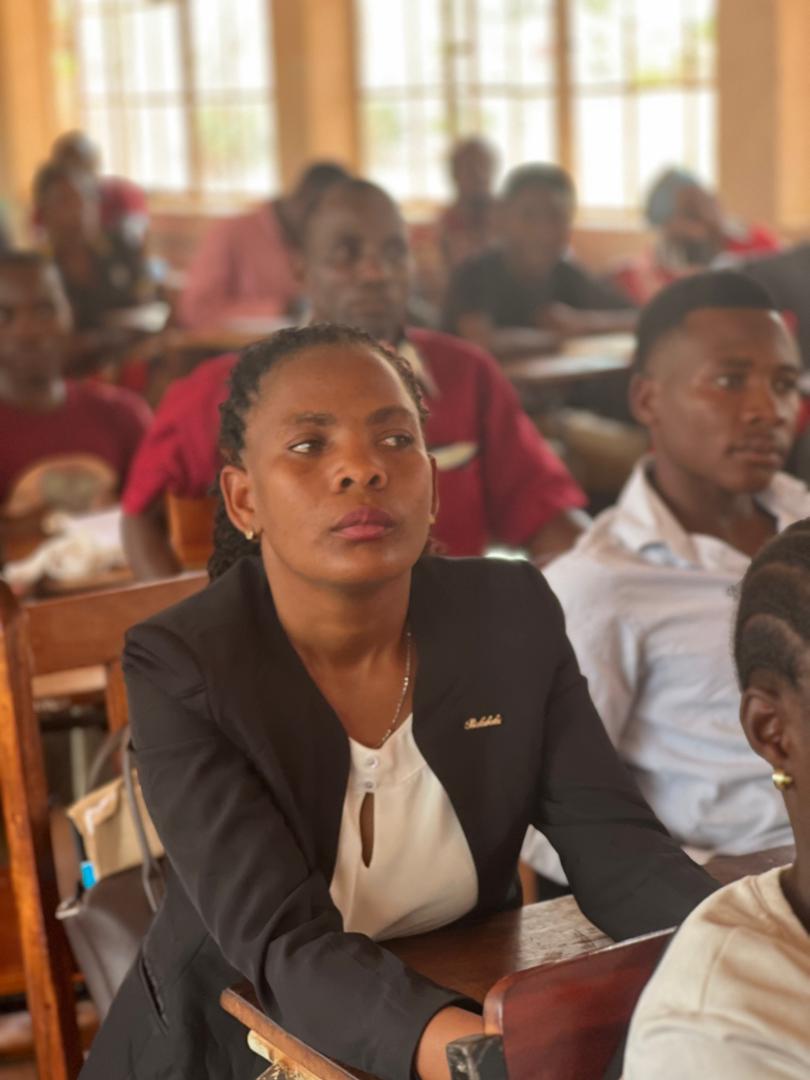
The supervision aimed to assess the implementation progress of the Community Health Worker (CHW) program, evaluate the quality of service delivery at the community level, and identify key opportunities and challenges in sustaining integrated health interventions. Spanning several weeks, the field visits brought together a multi-sectoral team comprising government officials, regional and district health management teams, and BMF technical experts. The team worked closely with CHW coordinators, health facility in-charges, and community members to gain firsthand insights into the program’s impact.
“These visits are not only assessments, but also moments of learning, connection, and reaffirmation of our shared goal: ensuring quality health services reach every household in Tanzania,” said a BMF official during the supervision.
Across all regions, CHWs were found to play a pivotal role in delivering preventive and promotive health services, including maternal and child health, nutrition, immunization, family planning, and health education. The supervision teams noted significant progress in community engagement and data reporting, facilitated through the integration of digital tools and improved coordination with health facilities.
In Mtwara, Lindi, and Ruvuma, the teams observed strong collaboration between CHWs and facility staff, resulting in improved referrals and timely follow-up of maternal and newborn cases. In Tabora and Kigoma, supervision highlighted the dedication of CHWs working in remote communities, despite facing logistical and resource constraints. Meanwhile, Njombe, and Iringa demonstrated exemplary mentorship and community participation, contributing to sustained behavioural change in hygiene and nutrition practices.


