

CLUB FOOT
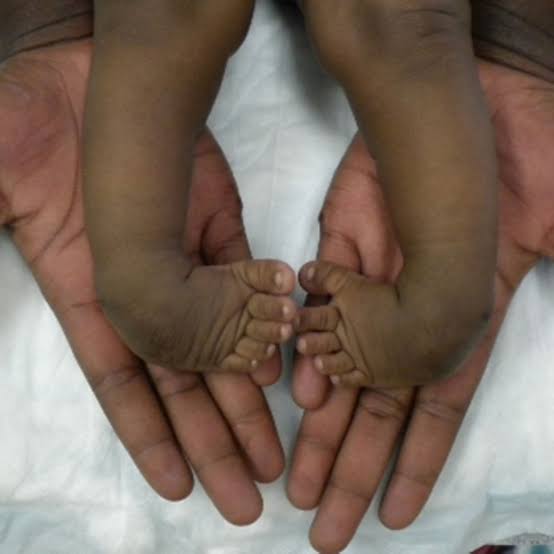
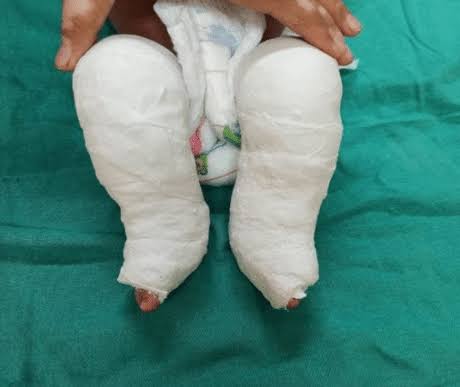
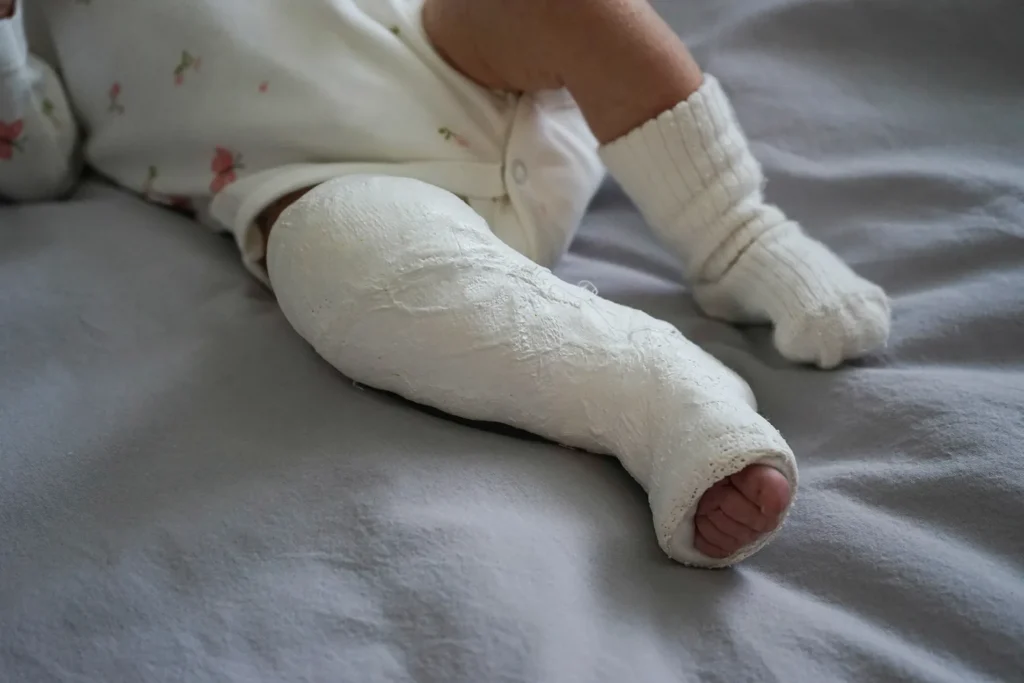
Every year, children are born with clubfoot, a condition that can affect their mobility if treatment is delayed. With timely and appropriate care, children with clubfoot can grow up walking, playing and living active lives.
To help make this possible, the Benjamin William Mkapa Foundation (BMF), with support from Miracle Feet, implements the Clubfoot Project to expand access to quality clubfoot treatment across Mainland Tanzania and Zanzibar
Where We Work
The project operates across four zones:
- Northern Zone
- Lake and Central Zone
- Southern Highlands Zone
- Coastal Zone
What We Do
Finding and supporting new treatment sites
BMF conducts fact-finding visits to potential partner facilities to assess their readiness to provide clubfoot services. Facilities that meet the required criteria are supported to establish or strengthen clubfoot clinics.
Improving the quality of care
Experienced supervisors visit supported clinics every quarter to assess service quality, provide mentorship and address gaps identified during supervision. This ongoing support helps healthcare providers strengthen their skills while continuing to provide care.
Building healthcare provider capacity
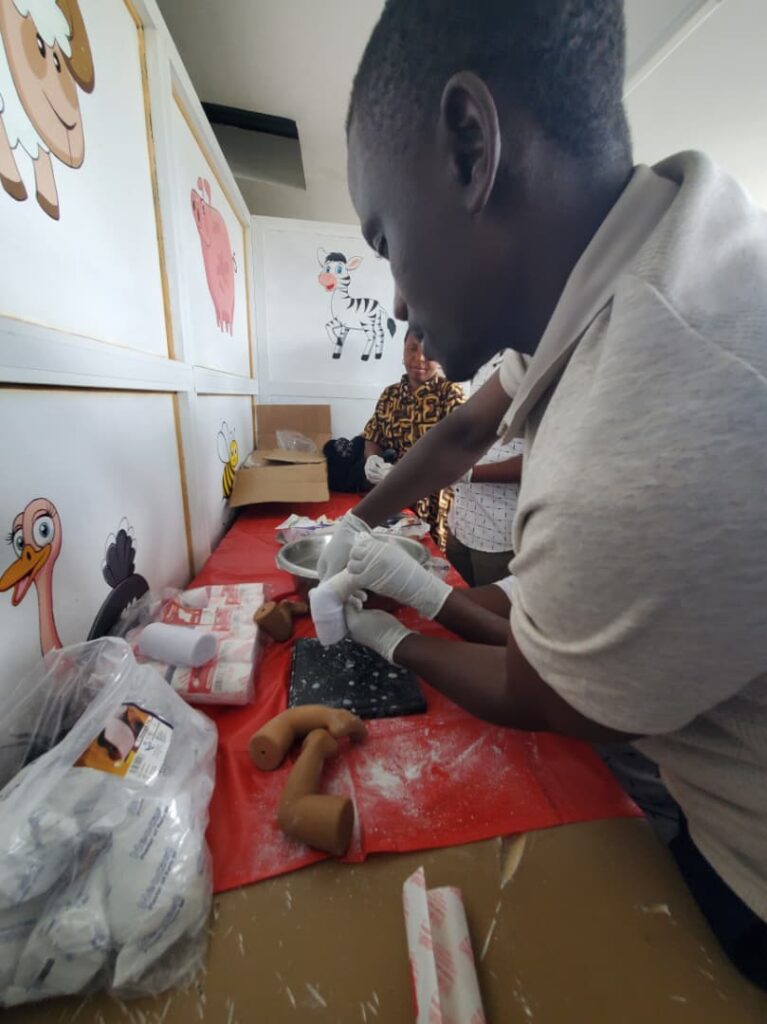
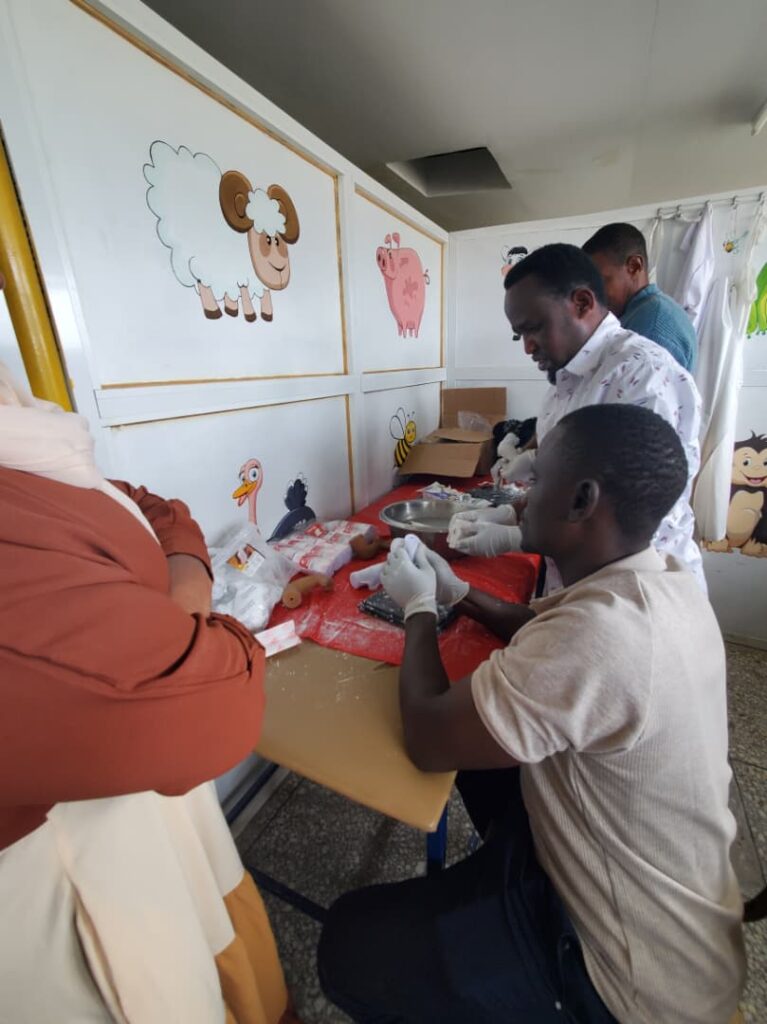
BMF invests in training healthcare providers in the Ponseti method and other aspects of clubfoot management. Training includes Basic and Advanced Ponseti courses, supportive supervision, basic and refresher CAST training, Ponseti refresher training, tenotomy training for medical doctors and Train-the-Trainer courses.
Ensuring clinics have the necessary supplies
Supported facilities receive essential treatment supplies, including Plaster of Paris (POP), cotton wool, fibre casts and equipment required for tenotomy procedures.
Using data to improve decisions
Clubfoot clinics capture patient and treatment information digitally using CommCare. The data is collected centrally and used to monitor performance, identify gaps and inform programme decisions.
Taking awareness to communities
Early identification is critical to successful clubfoot treatment. BMF supports community awareness through radio, television, social media, village meetings, early detection and referral activities, as well as engagement with community health workers.
Working towards national integration
BMF works closely with the Government to support the integration of clubfoot treatment into routine health services and national health systems.
Sharing Tanzania's experience
Through the experience gained in implementing clubfoot services, BMF is also well positioned to share technical expertise with other African countries seeking to establish or strengthen national clubfoot programmes.
Our Goal
To ensure that children born with clubfoot receive quality and timely treatment, giving them the opportunity to walk and live active lives.
The project focuses on four main areas:
Community awareness and demand creation
Creating awareness, supporting early identification and strengthening referral pathways so that children reach treatment centres as early as possible.
Treatment supplies
Ensuring supported facilities have the essential materials and equipment required to provide continuous clubfoot care.
Capacity building and quality improvement
Training healthcare providers, providing mentorship and supportive supervision, and using data to monitor and improve service delivery.
Advocacy and health system integration
Working with government and other stakeholders to integrate clubfoot treatment into routine health services.
What We Aim to Achieve
The project is working towards:
- Enrolling 1,903 new children with clubfoot for treatment.
- Strengthening the capacity of 176 healthcare providers in clubfoot care.
- Supporting the integration of clubfoot indicators into Tanzania’s Health Management Information System (HMIS).
- Strengthening safeguarding measures to protect the safety, dignity and well-being of children receiving treatment.
Read the project Map below:
https://mkapafoundation.or.tz/wp-content/uploads/2020/07/CLUB-FOOT-PROJECT-MAP-updateeed.pdf
Expanding access to clubfoot treatment requires collaboration. BMF works with NGOs, government facilities, faith-based health facilities and other partners, including:
- USA river Rehabilitation Centre (URRC) through a sub-granting arrangement.
- Danish Refugee Council (DRC), supporting clubfoot services in Nduta and Nyarugusu refugee camps in Kigoma.
- Public hospitals across Mainland Tanzania and Zanzibar.
- Faith-based organisations and hospitals.
How We Work with Partner Facilities
BMF begins by understanding the capacity and readiness of a potential partner facility through a fact-finding visit. Findings are documented and recommendations shared with facility management.
Once a facility is ready to participate, healthcare providers receive the required training, including Basic Ponseti and data collection training. Treatment supplies are then provided to support service delivery.
The project establishes formal agreements with participating facilities, followed by quarterly joint supportive supervision visits to assess progress, address challenges, and provide continued technical support.
Reaching More Children
The project works against quarterly and annual targets, with specific targets assigned to individual clinics and zones. Achieving these targets depends not only on having treatment services available, but also on ensuring that families know about clubfoot, understand that it can be treated, and know where to seek care.
For this reason, community awareness, early detection and timely referral remain central to BMF’s approach.