

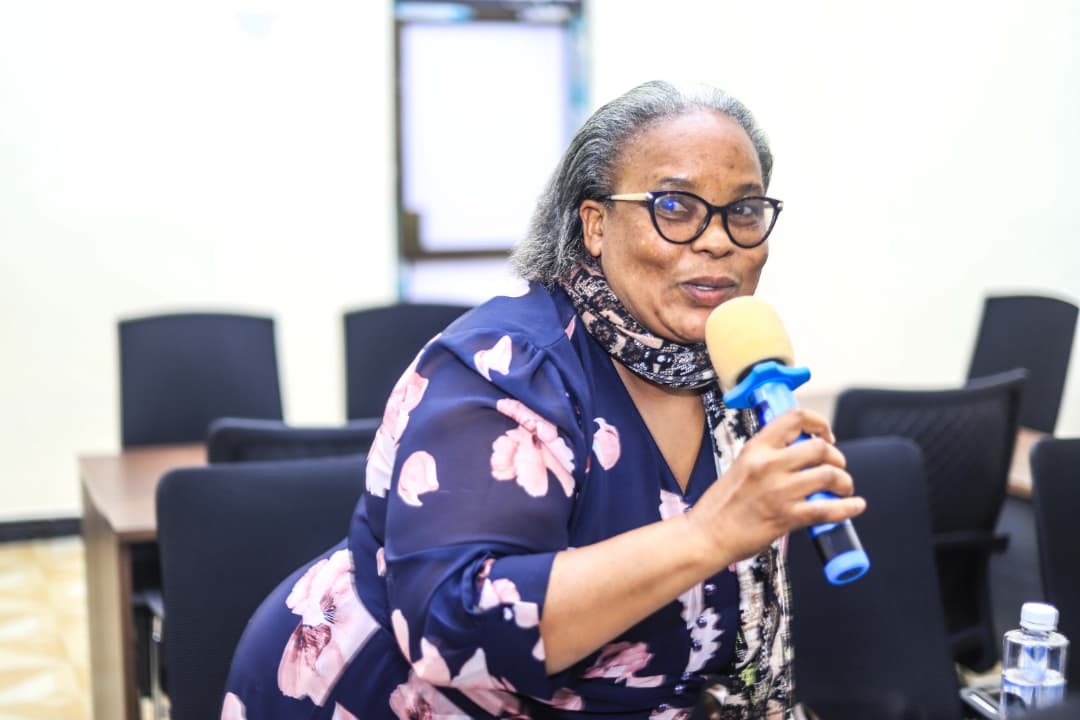
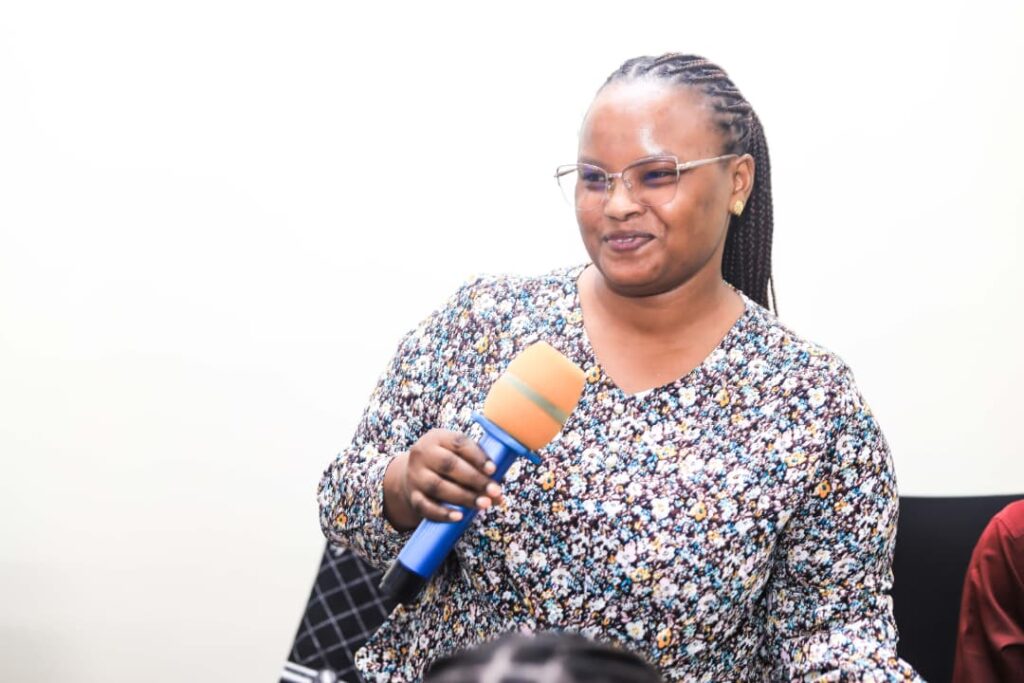
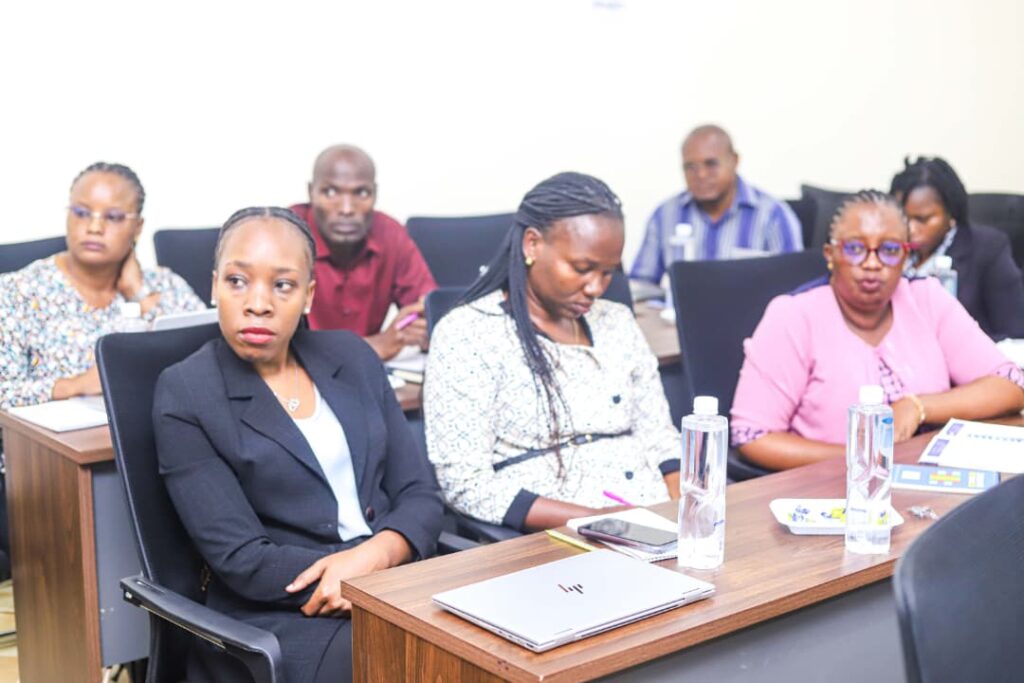
Stakeholders of Tanzania’s National Integrated Early Childhood Development Programme have gathered in Morogoro for a strategic working session aimed at developing a comprehensive national work plan to guide the delivery of integrated services across health facilities in Tanzania. The meeting underscores the country’s growing commitment to investing in early childhood as a foundation for long-term social and economic development.
This session was built on a series of prior technical engagements and consultations conducted in the region. It brings together key actors from across sectors to align priorities, strengthen coordination, and translate national policy commitments into practical, implementable actions. The focus is not only on planning, but also on ensuring that systems are in place to deliver measurable and sustainable results at community and facility levels.


At the heart of the programme is a holistic approach to child development, targeting children from birth to eight years of age. It recognizes that early childhood is a critical window that shapes lifelong outcomes. The initiative therefore seeks to ensure that every child has access to essential services, including adequate nutrition, quality healthcare, protection from violence and neglect, and opportunities for early learning and stimulation. By addressing these areas in an integrated manner, the programme aims to support children’s physical growth, cognitive development, emotional well-being, and social skills.
A strong emphasis is also placed on nurturing care and positive parenting. Evidence shows that the quality of care children receive in their earliest years has a profound impact on brain development and future productivity. As such, the programme promotes awareness and capacity building among caregivers, while strengthening community and institutional systems that safeguard the wellbeing of children.
Implementation of the national programme is inherently multisectoral, requiring close collaboration among several government institutions. These include the Ministry of Health, TAMISEMI, and the Ministry of Community Development, Gender, Women and Special Groups. Each plays a vital role in ensuring that policies are effectively translated into accessible, high-quality services at all levels, from national planning to grassroots delivery.
Participants are expected to develop a clear and coordinated work plan that outlines implementation strategies, roles and responsibilities, and accountability mechanisms. This includes setting realistic targets, identifying priority interventions, and establishing monitoring frameworks to track progress and impact over time.